Collision Damage Claims and Repair Coordination
Vehicle Damage Assistance in Atlanta for insurance claim guidance after I-85 and I-75 corridor collisions
High-traffic corridors like I-85, I-75, and Perimeter roadways generate frequent collision claims where vehicle damage assessment, insurance claim filing, and repair authorization unfold on separate timelines from injury treatment and legal representation. Vehicle damage assistance separates property damage coordination from bodily injury claims, addressing the immediate need to restore transportation while injury recovery and legal negotiation continue. ATL WRECK HELP guides accident victims through damage documentation, insurance communication, and repair facility coordination, ensuring claim submissions include complete evidence and coverage limits are correctly applied.
The process begins with damage scope assessment—differentiating cosmetic surface damage from structural frame compromises or mechanical failures caused by collision impact. Documentation includes photographs from multiple angles, estimates from certified repair facilities, and review of your insurance policy's coverage limits, deductibles, and exclusions that affect out-of-pocket costs and repair approval timelines.
Request damage assessment guidance to document vehicle condition before insurance adjusters complete their evaluation.
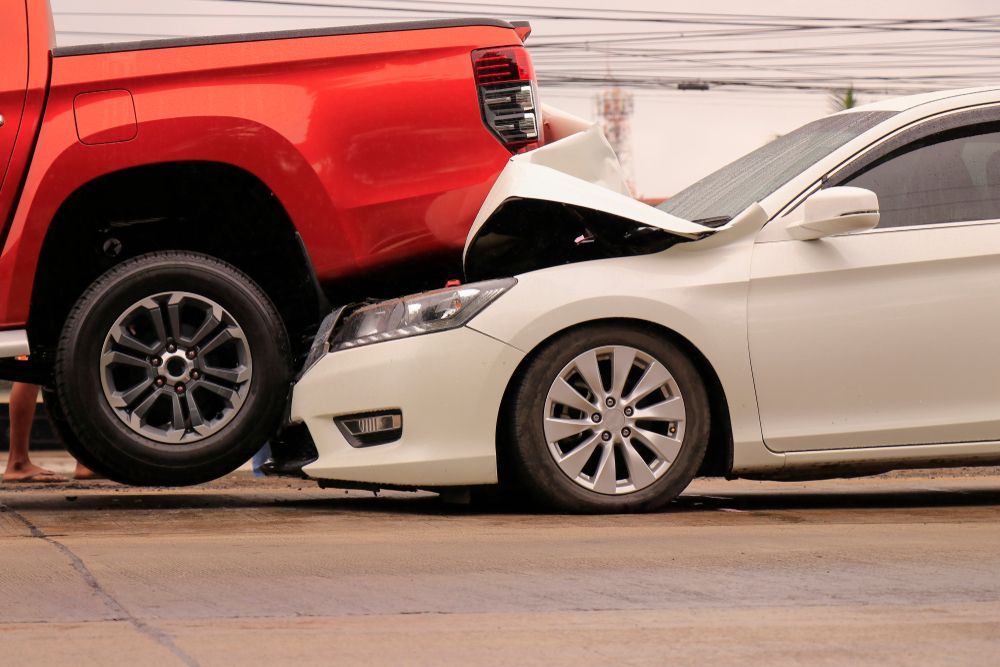
How Damage Documentation Supports Claims
Insurance carriers rely on adjuster assessments to determine repair authorization and payout amounts, but incomplete documentation or delayed reporting weakens claims and invites low initial offers. Proper assistance involves photographing all damage points, capturing vehicle identification details, recording mileage and pre-accident condition, and obtaining repair estimates that itemize parts, labor, and any hidden damage discovered during teardown inspections. These records form the basis for claim negotiation when adjuster estimates fall below actual repair costs or when total loss determinations undervalue the vehicle.
You receive clear explanations of coverage limits—collision coverage handles at-fault accidents, while property damage liability covers damage you cause to other vehicles—and how deductibles reduce payout amounts regardless of fault determination. Assistance includes coordinating with repair facilities that work within insurance approval processes, tracking repair timelines, and addressing disputes when adjusters deny coverage for specific damage components or depreciate parts beyond reasonable wear.
Vehicle damage claims run parallel to bodily injury claims but operate under different timelines and settlement structures. Property damage typically resolves faster since repair costs are calculable once estimates are finalized, while injury claims remain open until medical treatment reaches maximum improvement and long-term effects are documented.
Questions Before Starting Your Project
Accident victims managing collision damage often need clarity on how insurance processes work and what documentation strengthens property damage claims.
What documentation is required to file a vehicle damage claim after an accident in Atlanta?
Claims require photographs of all damage, the other driver's insurance information if applicable, the police report number, and repair estimates from certified facilities that itemize damage and cost projections.
How do deductibles affect what I pay for vehicle repairs?
Your deductible is subtracted from the insurance payout, so if repairs cost $3,000 and your deductible is $500, the insurer pays $2,500 and you cover the remaining $500 before repairs begin.
What happens if the insurance adjuster's estimate is lower than the repair facility's quote?
Assistance includes negotiating with the adjuster by providing detailed repair justifications, obtaining supplemental estimates, or documenting hidden damage discovered during teardown that was not visible during initial assessment.
How long does vehicle damage claim resolution typically take in the Atlanta metro area?
Property damage claims often resolve within two to four weeks once all documentation is submitted, though disputes over total loss determinations or repair necessity can extend timelines.
What is the difference between total loss and repairable damage?
Insurers declare total loss when repair costs exceed a percentage of the vehicle's pre-accident value, typically 70-80%, at which point they pay the vehicle's actual cash value minus the deductible rather than authorizing repairs.
ATL WRECK HELP coordinates vehicle damage claims to restore transportation while injury and legal processes continue separately. Contact (404) 900-1100 to begin damage documentation and repair coordination for your collision claim.